Electronics Recycling Services: Reliable Disposal Services for Offices
Sustainable Solutions: How E-Waste Recycling Services Are Saving Our Planet
Electronic waste presents serious dangers to the environment, as disposed electronics frequently harbor hazardous substances. These hazardous substances can contaminate soil and water, resulting in widespread environmental harm. E-waste recycling initiatives provide a practical answer. They not only recover valuable resources but also mitigate pollution. Understanding how these services operate and their impact on communities is essential. The path to successful electronic waste management prompts vital discussions about personal accountability and communal efforts. What measures can be pursued from this point onward?
Why Electronic Waste Is Harmful to the Planet
Although technological advancements improve contemporary living, e-waste creates considerable environmental hazards. Discarded electronic devices, often containing toxic substances including mercury, lead, and cadmium, may release harmful substances into soil and groundwater, posing risks to both wildlife and human well-being. The rapid pace of technological advancement leads to increased consumer turnover of electronics, worsening the buildup of discarded electronic materials.
Landfills, already strained by waste, are unable to keep up with the rising quantities of abandoned electronics. Incineration, another disposal method, releases harmful pollutants into the atmosphere, contributing to air quality degradation. Furthermore, inadequate recycling methods can result in the shipment of electronic waste to underdeveloped nations, where workers may break down equipment without proper protective measures, putting themselves at risk of exposure to hazardous materials. This pattern of negligence and mismanagement highlights the critical demand for eco-friendly recycling alternatives that can reduce the damaging impact of electronic waste on the environment.
What Is E-Waste and Why Does It Matter?
Electronic waste, commonly known as e-waste, encompasses unwanted electronic equipment like televisions, computers, and smartphones that are no longer functional or needed. This growing category of waste is significant because of its swift buildup, propelled by advances in technology and evolving consumer behaviors. As more devices become obsolete, the environmental impact intensifies, with toxic materials such as lead, mercury, and cadmium threatening both ecosystems and public health.
Addressing e-waste is crucial not only for reducing these dangers but also for acknowledging the precious materials found within it. Valuable metals and rare earth materials can be extracted and repurposed, lessening the demand for mining and preserving natural resources. With a thorough understanding of e-waste and its impact, people and organizations alike can make educated decisions about disposal and recycling, helping to build a more sustainable world. Proper management of e-waste is essential for fostering a circular economy and promoting environmental stewardship.
How E-Waste Recycling Works
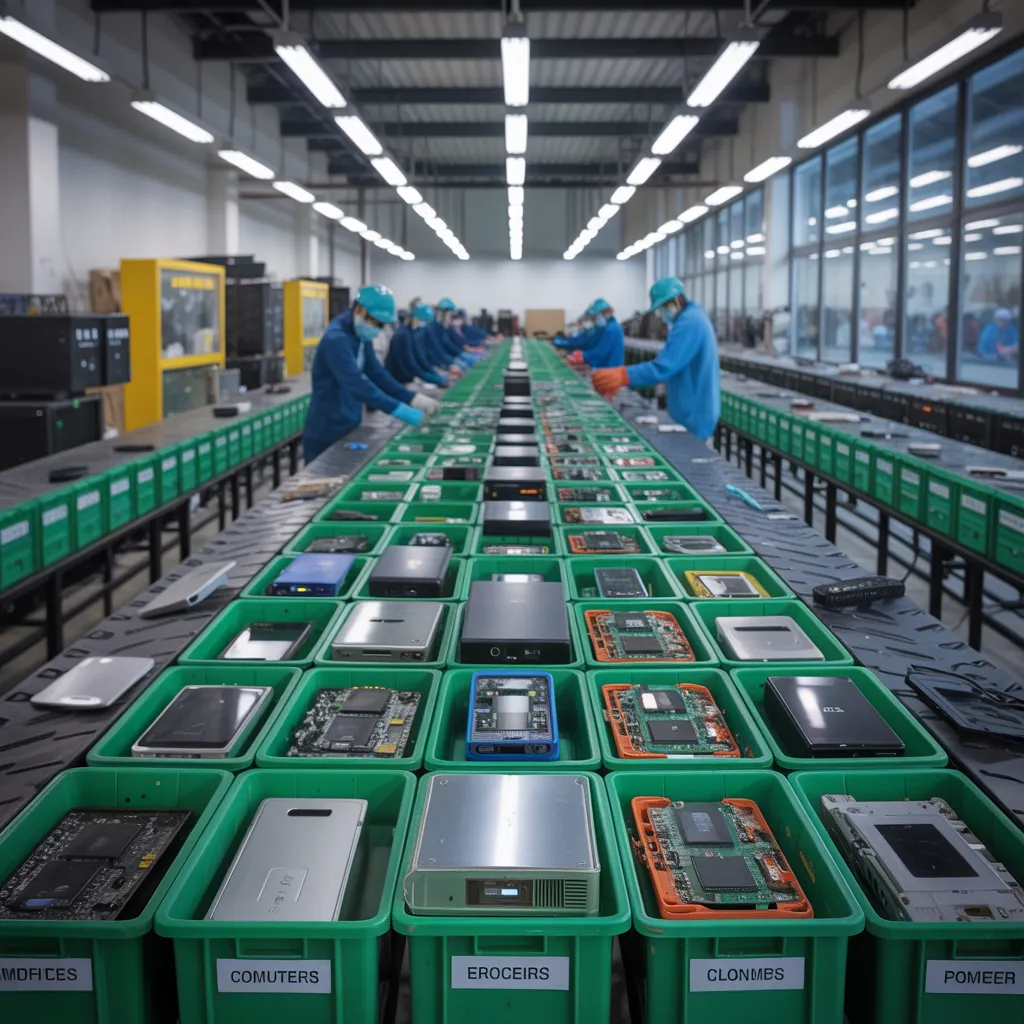
E-waste recycling entails a structured approach intended to extract beneficial components while limiting ecological damage. Initially, discarded electronics are retrieved and sent to dedicated processing centers. After reaching the facility, the electronics are carefully categorized to separate hazardous components from recyclable materials.
After this step, workers deconstruct the items, removing glass, metals, and plastics. This stage is crucial, as it enables the reclamation of high-value metals like gold, silver, and copper, which can be recycled in new electronic devices.
Subsequently, the divided materials are refined with state-of-the-art techniques, such as mechanical shredding and chemical processing, to refine them for reuse.
Finally, the leftover hazardous waste is handled with responsibility, complying with environmental regulations. This comprehensive process not only saves important resources but also mitigates the risks associated with improper e-waste disposal, ensuring a more sustainable future for electronic consumption.
The Benefits of E-Waste Recycling for You and Your Community
Although it often goes unnoticed, the positive effects of e-waste recycling extend beyond personal convenience to positively impact entire communities. By properly recycling electronic waste, individuals help foster a safer environment, minimizing harmful substances that can leach into soil and water. This forward-thinking practice actively safeguards local ecosystems and supports public health.
Additionally, electronic waste recycling supports workforce growth within communities. Nearby recycling establishments regularly need employees for diverse activities, covering everything from collection to processing, therefore offering work opportunities for local residents. This not only strengthens the regional economy but also fosters community involvement in eco-friendly practices.
Furthermore, awareness of e-waste recycling has the potential to generate awareness campaigns, enabling residents to pursue greener alternatives. By enrolling in e-waste recycling programs, individuals cultivate a culture of sustainability, motivating others to follow suit. Overall, the combined impact of these actions can contribute to a more strong and environmentally aware community.
Tips for Choosing an E-Waste Recycling Service
Picking the most suitable e-waste disposal service is essential for guaranteeing that electronic refuse is handled with responsibility and sustainability. Initially, people should verify the provider's credentials, such as R2 and e-Stewards certifications, which demonstrate adherence to industry standards for safe recycling View all practices. It is equally important to assess the organization's standing by reviewing feedback and obtaining advice from dependable sources.
Moreover, openness in the recycling process is crucial. A trustworthy provider should supply straightforward details about the way e-waste is handled and how the materials are utilized. Furthermore, evaluating the range of services offered can be beneficial; certain providers may offer collection services or present rewards for recycling.
Furthermore, understanding local regulations regarding e-waste disposal can further guide the selection process. Through focusing on these key aspects, consumers can play a role in successful electronic waste reduction while also advancing green and responsible behaviors.
How You Can Get Involved in E-Waste Recycling?
Getting involved with e-waste recycling often starts at the local level, where community recycling hubs frequently offer essential services for proper disposal. Furthermore, joining community awareness campaigns can amplify efforts to raise awareness about the importance of proper e-waste handling. Such efforts not only advance environmental sustainability but also foster a collective sense of accountability for the environment.
Area Recycling Stations
Many neighborhood recycling stations fulfill a critical purpose in recycling electronic waste, supplying communities with reliable ways to handle electronic waste in a responsible manner. These stations receive a range of electronic equipment, including outdated computers, mobile phones, and TVs, ensuring that harmful materials are handled safely. The majority of facilities employ trained staff who can guide individuals on proper disposal methods, emphasizing the importance of recycling over landfilling. In addition, many centers offer drop-off events or designated collection days, making it easy for residents to participate. By utilizing these local services, individuals contribute to a circular economy, lowering environmental harm and encouraging sustainable habits. Working alongside these hubs encourages communities to fight e-waste pollution decisively.
Community Education Campaigns
Community groups, educational institutions, and companies can partner to arrange initiatives that encourage e-waste collection drives. Volunteers can play a pivotal role in raising awareness, sharing informational resources, and connecting with local residents. As a result of these combined actions, residents become more informed and motivated to recycle their electronic waste, thereby helping to build a greener and more sustainable tomorrow.
Answers to Your Most Common Questions
Which Types of Electronics Are Recyclable?
Numerous electronics may be recycled, including laptops, televisions, smartphones, printers, computers, and gaming consoles. In addition, peripherals such as mice, keyboards, and batteries are equally appropriate for recycling, promoting efforts to conserve the environment.
Are There Fees Involved With E-Waste Recycling?
Indeed, e-waste disposal sometimes comes with charges, based on the service provider. Some service centers apply costs for pickup or handling, while some providers make services available at no charge, frequently supported by the proceeds from salvaged materials.
What Are the Benefits of E-Waste Recycling for Businesses?
Companies can take advantage of e-waste recycling by lowering disposal expenses, improving their green reputation, complying with regulations, reclaiming useful materials, and possibly earning income through resale, ultimately contributing to a more sustainable operational strategy.
What Becomes of Data on Recycled Devices?
Data on refurbished equipment is often permanently erased or destroyed during processing. This guarantees sensitive information remains secure, preventing unauthorized access while allowing materials to be reused safely and responsibly in new products.
Are Broken Electronics Eligible for Recycling?
Indeed, damaged electronics are able to be recycled. Many centers receive non-functioning devices, ensuring responsible disposal and extraction of useful materials. Doing so helps decrease environmental impact while encouraging responsible recycling practices to handle electronic waste effectively.